Check Out a Packet, Grow a Neighborhood: The Little Cabinet Turning Luverne Gardeners Into Seed Savers
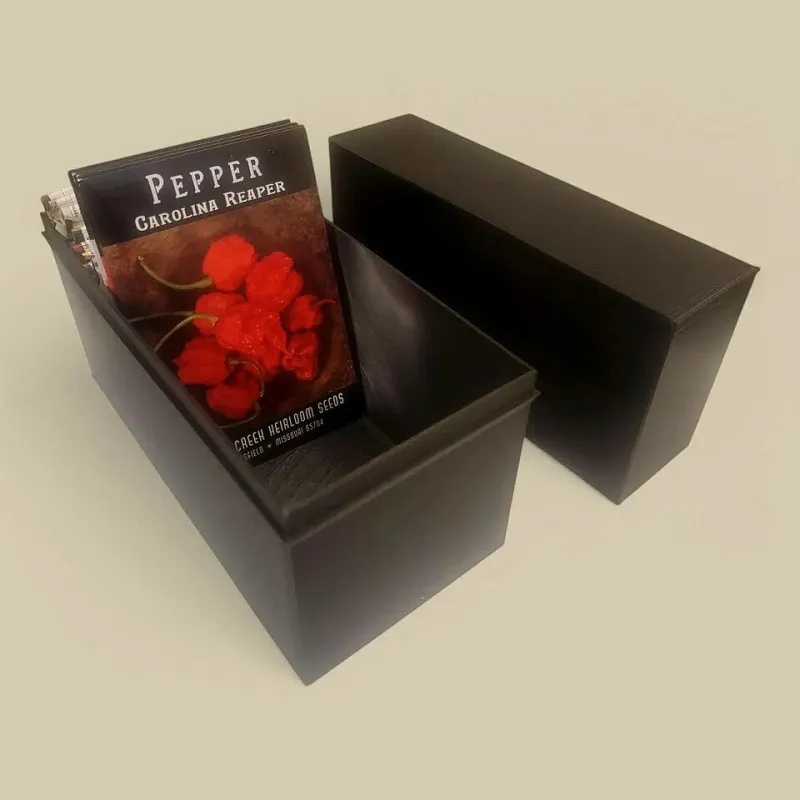
Photo: Randall Reynolds, CC BY 4.0, via Wikimedia Commons
Most people come to Luverne Public Library for a mystery novel, a printer that actually works, or a quiet corner to answer email. Some come for tomatoes. Specifically, they come for a small envelope of tomato seeds with a handwritten label, tucked into a wooden cabinet near the reference desk. That cabinet is our seed library, and it may be the most optimistic lending program we run.
A Cabinet Full of Small Futures
The idea is simple enough to explain to a kindergartner and strange enough to make a first-time visitor pause. Instead of checking out a book, you check out a packet of seeds. You take it home, plant it, water it, and hope. If the season goes well, you save seeds from your best plants and bring some back for the next person. No due date. No overdue notice. No fines, which should sound familiar to anyone who has used our library since we ditched late fees.
The cabinet holds vegetable seeds, flower seeds, and a growing section of native grasses and pollinator plants. There are familiar names like Brandywine tomatoes and zinnias, plus less familiar ones that require a label and a little faith. The packets are donated by local gardeners, area seed companies, and patrons who got a little too enthusiastic in February and started far more seedlings than their windowsills could handle.
In 2026, the seed library is also part of a larger conversation. People around here are thinking harder about where food comes from, what survives a dry July, and how a neighborhood can feed itself when the grocery bill gets rude. That is not a new idea in Rock County. It is just getting more attention.
The Rules Are Weird, and That Is the Point
The lending rules are less like a formal policy and more like a friendly agreement among people who trust each other and know a thing or two about compost.
- Take up to five packets per visit. Take fewer if you are honest with yourself about your garden bed.
- Plant what you take. The seeds are not decoration. They are not for the back of a drawer.
- If you can, save seeds from your harvest and bring them back. If you cannot, bring back information. A note about what grew well is useful too.
- Label what you return. Variety, year, and any details you know. Mystery seeds are fun until they take over the cucumber trellis.
- Do not return seeds from grocery-store produce unless you know what you are doing. We love enthusiasm. We also love accurate labels.
The cabinet runs on the honor system, which is a fancy way of saying it runs on the character of Luverne gardeners. So far, that has been a solid bet. People return envelopes with neat labels. They return envelopes with slightly crooked labels. They return advice, complaints about rabbits, and the occasional zucchini the size of a small canoe.
Meet the People Behind the Packets
You do not have to look far to find the seed library's regulars. They are the ones in the gardening section in March, squinting at a seed packet like it is a tax form. They are the retired couple who save tomato seeds on paper towels every fall and bring them back in recycled envelopes. They are the first-time gardener who took a free packet of basil, grew exactly one usable plant, and now considers themselves an expert.
One of our favorite things about the cabinet is how it mixes generations without making a big production of it. A longtime seed saver might explain fermentation to a new gardener. A new gardener might explain a phone app that tracks planting dates. Both leave with something useful. The library has always been a place where information moves between people, and the seed library just makes that exchange a little more tangible.
There is also a charmingly accidental side to the whole thing. People come in for one packet of zinnias and leave with questions about soil pH. They come in to ask about native grasses and leave with a book on prairie restoration. They come in to return seeds and end up in a twenty-minute conversation about the best way to keep squirrels out of the tulips. This is what a library does well. It lets curiosity wander.
Why Seeds Matter in 2026
Local food resilience can sound like a policy phrase, but in practice it looks like a row of beans along a fence, a shared packet of lettuce, and a neighbor who knows which tomato variety survives a hot stretch without sulking. The seed library does not solve every problem. It will not lower the price of flour or fix a broken irrigation line. What it does is keep a small, living collection of local knowledge in circulation.
That knowledge is not only in the seeds. It is in the notes people leave, the varieties they recommend, and the stories they tell about what worked and what absolutely did not. A seed saved from a successful plant is a tiny record of a particular season in a particular place. When it gets passed along, that record continues.
If you have never used the seed library, start small. Pick one packet. Ask questions. Take a book if you need one. Bring back seeds if you can, and bring back stories either way. The cabinet is open during regular library hours, and it is waiting for the next person who wants to borrow a tomato and return a story.
How to Get Started
Stop by the reference desk and ask for the seed cabinet. Staff can walk you through what is available, how to label returns, and which varieties are easiest for beginners. You do not need a special card or a gardening background. You need a library card, a little patience, and a willingness to get your hands dirty. The rest, as Luverne gardeners will tell you, is mostly weather.